The Smart Girl Program
A gender-transformative program that keeps rural girls in school by removing the barriers that hold them back.
The Smart Girl Program is a gender-transformative program that aims to reduce, and ultimately eliminate, the high rates of absenteeism among rural girls in school.
Girls often miss school because they cannot afford school fees, uniforms, food or sanitary items, or lack psychosocial support. The program gives them holistic education, mentorship, skill-building and enrichment opportunities, a transformative experience that empowers marginalized girls to succeed.
The challenge
Approximately 85% of primary-school-age children in western Kenya are enrolled in school, but only a third complete their education. Dropout rates are higher among rural girls, who face early sexual exploitation, underage marriage, and transactional sex for lifts to school, sanitary pads or food.
Many cannot attend school at all for lack of uniforms and shoes, long commutes, or school feeding costs, and they also face gender-based violence. We work with partner schools and community groups to identify, enroll and support girls in our program, so that they all stay in school.
What the program provides
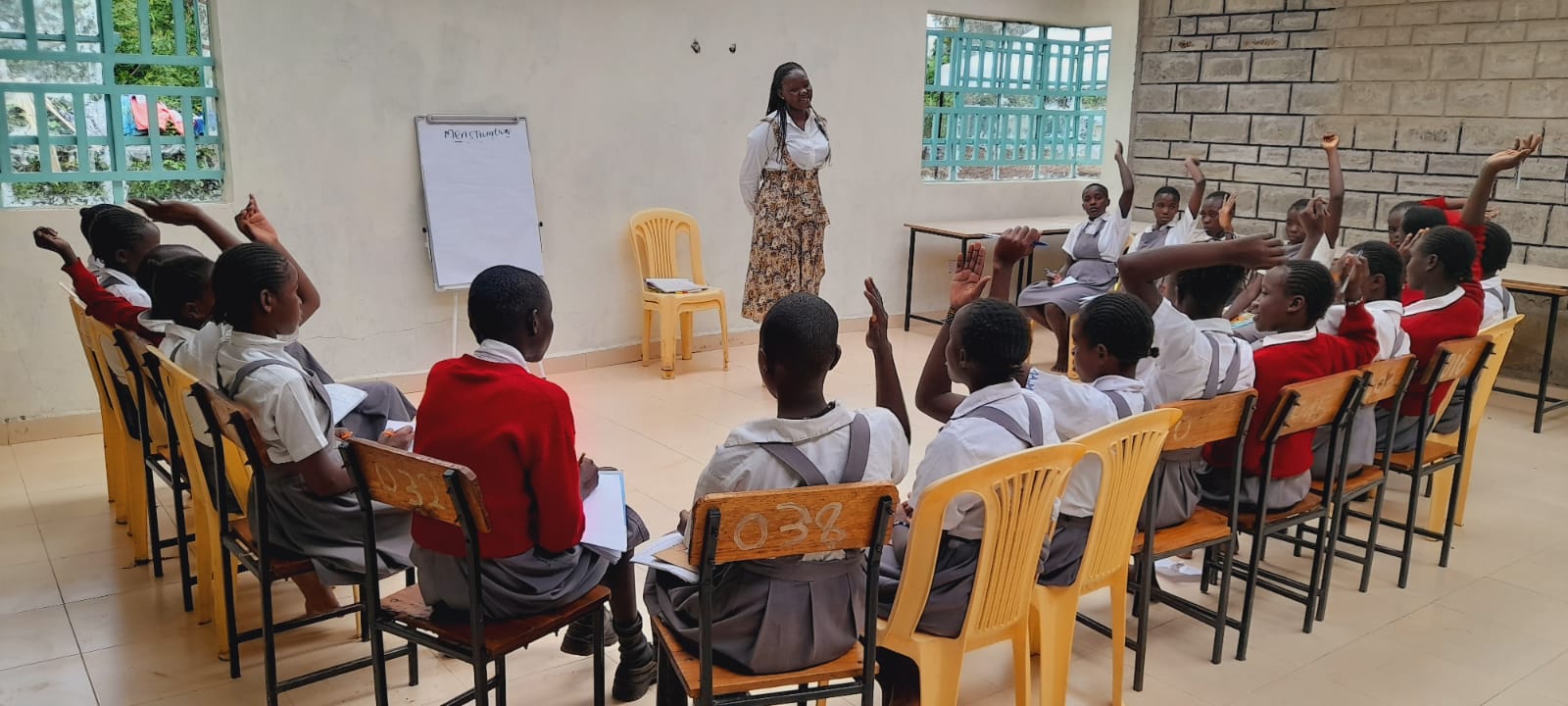
- Sexual and reproductive health and rights (SRHR) education, gender-based violence awareness, and referrals to support services.
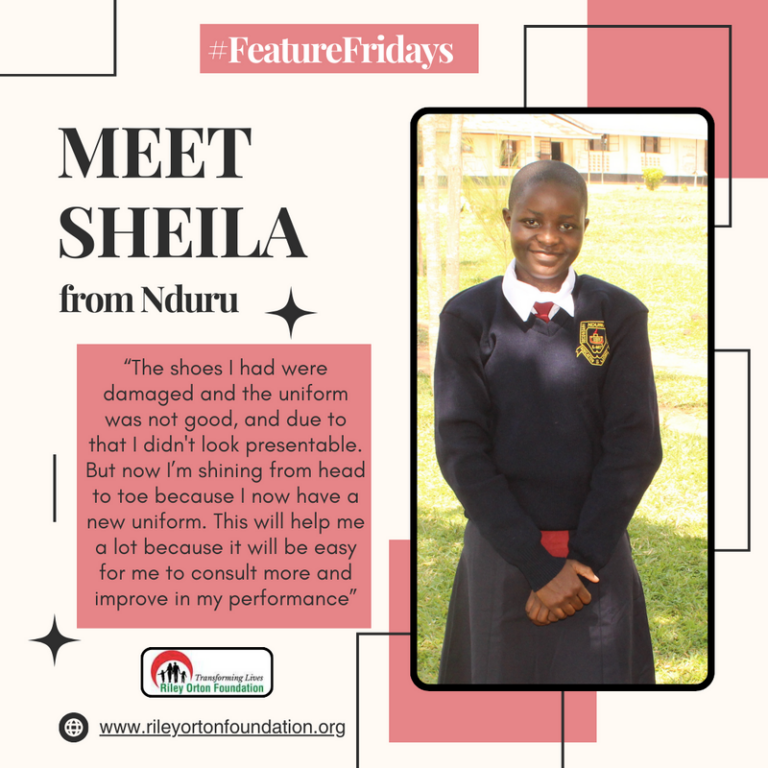
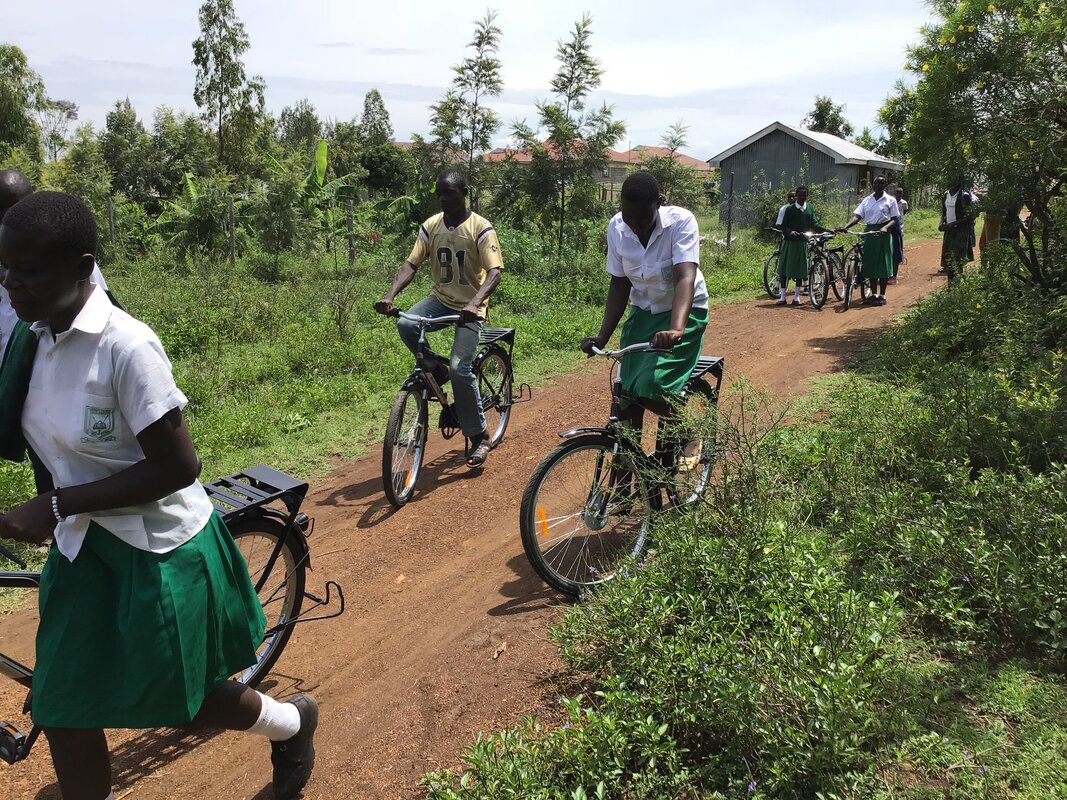
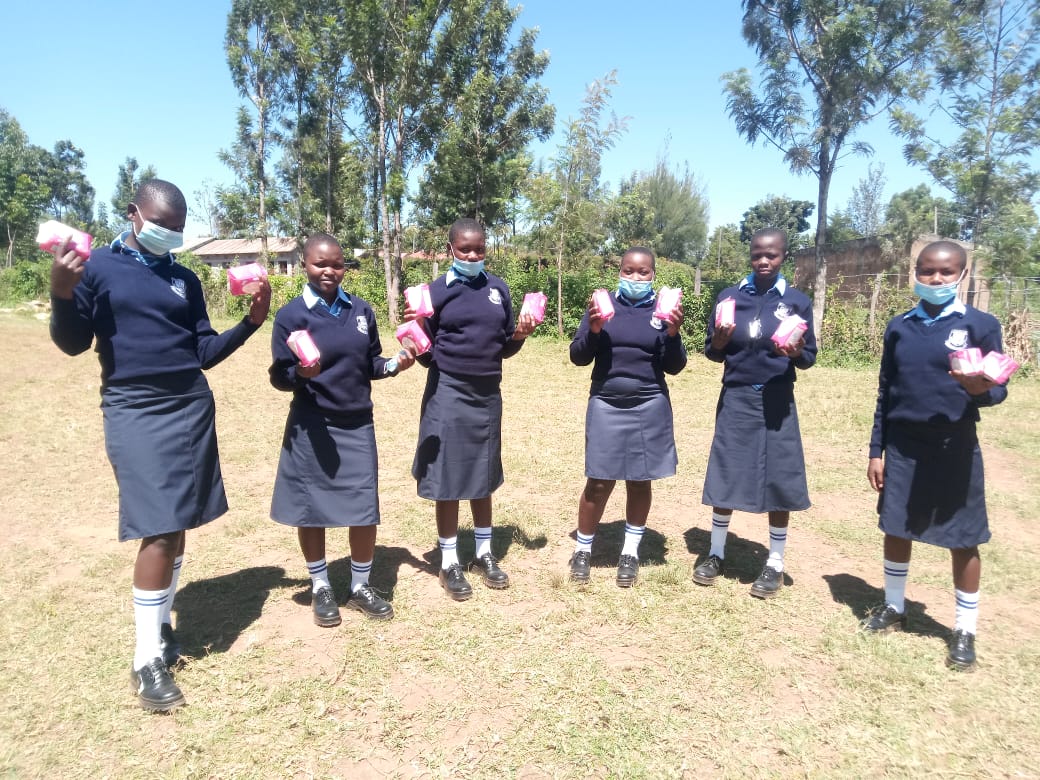
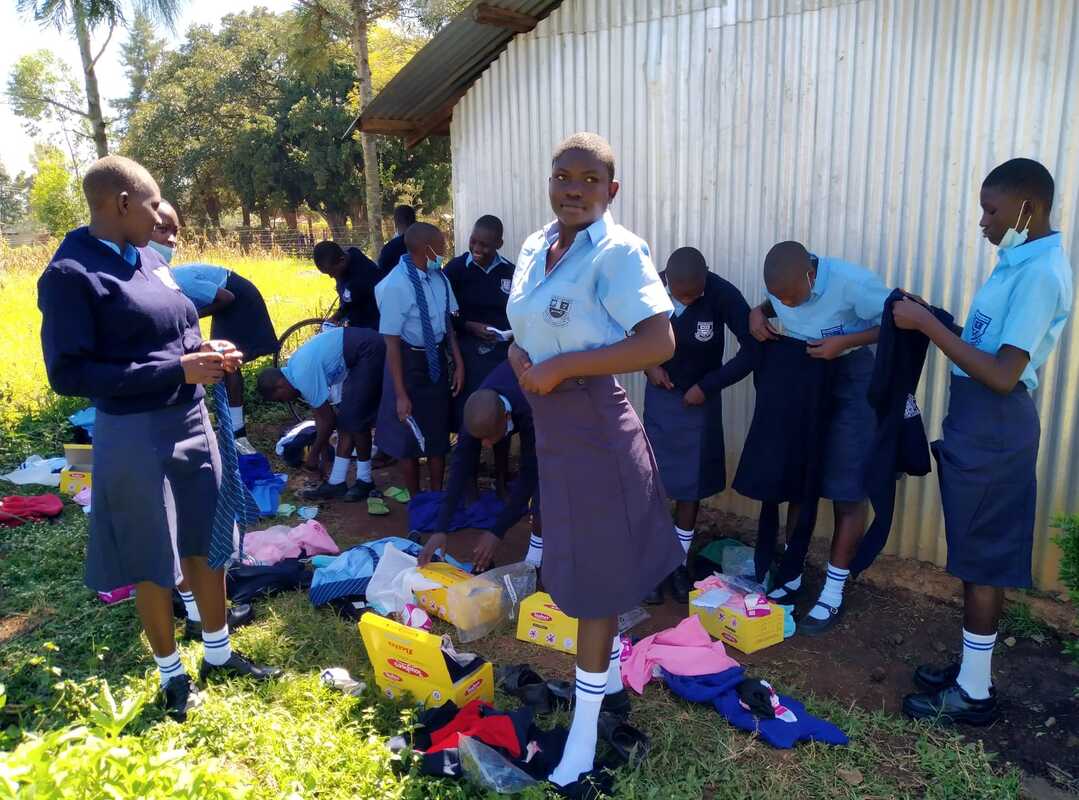
- Essential supplies, including school uniforms, inner garments, sanitary pads, and bicycles for the journey to school.
- High school scholarships.
- Leadership and mentorship camps.
- Community service and leadership programs, through which students build the skills to bring positive change to their community.
Including boys
We believe that including boys in empowerment sessions is essential to the success of the next generation and critical to creating gender equity in our community. The program applies a gender lens by engaging boys and men in supporting girls’ empowerment, addressing the deeply rooted cultural context around girls’ education and economic freedom.
Gender equality means that women and men, and girls and boys, enjoy the same rights, resources, opportunities, and protections.
Our objectives
- Promote gender equality by ensuring that girls and boys enjoy the same rights, resources, opportunities and protections.
- Empower girls by building their agency and confidence and boosting self-esteem.
- Raise awareness of health and literacy.
- Provide rich, hands-on activities that help girls and boys build strong character and a healthy self-concept.
- Support rural girls’ access to secondary school.
- Improve girls’ agency through life skills mentorship, leadership training and counseling.
- Reduce dropout by providing non-fee items such as uniforms, notebooks, stationery and sanitary items.
- Increase girls’ retention through meals, nutrition stipends and enrollment in school feeding programs.
How we measure success
At the start of the program, we collect qualitative and quantitative baseline data in the community. Each term, we review students’ report cards, interview the girls directly, and examine data on enrollment and completion. At the end of the year, the results are compared with the baseline to measure the program’s impact.
Measuring agency
We use an agency survey tool to measure the impact of mentorship and life skills training. Agency is the capacity to define aspirational goals and bring together the knowledge, skills, attitudes and resources needed to achieve them. It is scored out of 100%, combining four weighted parts:
We compare participants’ average scores at the start and end of the program, and use a statistical test (a t-test) to check whether the change is significant.
Following each girl’s journey
In Kenya, secondary school takes four years. With a strong foundation and high school scholarships, we believe our girls will excel in their final exams and qualify for college through government bursaries and scholarships. Our staff track how many girls graduate from the program, enroll in college and secure jobs. Along the way, we look at:
- Average primary school exam scores, and the share of girls reaching the pass mark for transition to high school.
- The number of high school scholarships awarded to bright girls from low-income households.
- The number of girls who complete high school and go on to university and other higher education.
- The number of girls and young women reached through leadership and life skills training.
- The number of girls taking up leadership positions in their schools.
Case studies, photos and progress reports help us capture the change the program brings to each girl’s life.
Long-term impact
This initiative strives to reduce sexual and gender-based violence, increase girls’ self-confidence, and improve sexual and reproductive health behavior in the community.
We believe education is the way out of poverty for these marginalized rural girls, and a platform they will use to lead change in their communities once they graduate. We look forward to an empowered community of girls and women with the agency to realize their dreams and support not only themselves but also their families and communities.