Health & Wellness
Menstrual health, HIV/AIDS awareness, and sexual and reproductive health education, so girls and boys can stay in school healthy, informed and free from stigma.
Health is part of education
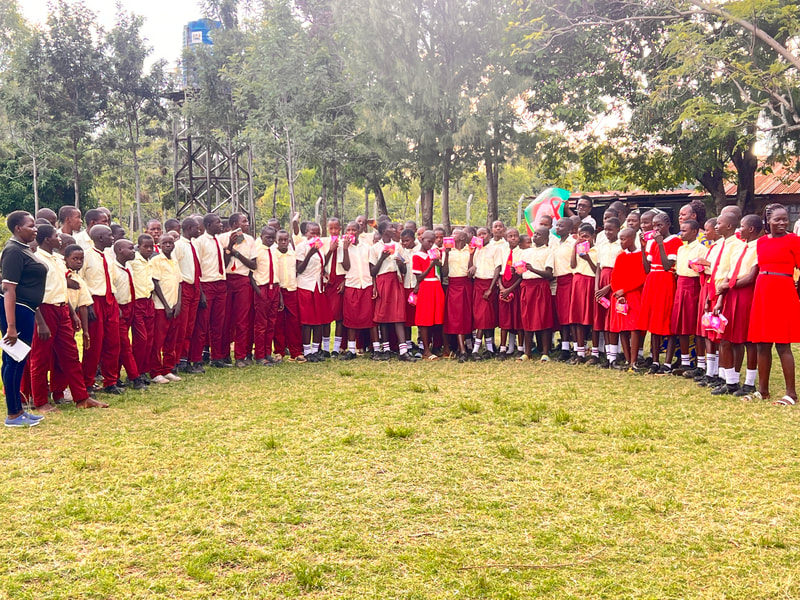
The communities we serve face high HIV/AIDS prevalence, gender-based violence and deep economic vulnerability. These challenges fall hardest on girls, many of whom miss school for lack of sanitary pads, or are exposed to exploitation, early pregnancy and HIV infection when they cannot afford basic needs.
That is why health education is built into our work. Through menstrual health and HIV/AIDS awareness programs, we help girls stay in school without stigma or disruption, and equip adolescents with the knowledge to protect their health and their futures.
In 2025, in partnership with Mercury Phoenix Trust UK, we integrated HIV awareness, health education and mentorship into our school outreach, STEM camps and community programs.
Knowledge young people need
Three ways we promote health
Health education in schools
We visit marginalized rural schools, such as Osiri Secondary and Oyiengo Primary, to teach adolescents about HIV prevention, stigma reduction and the care available to them. Many of our scholarship students attend these schools.
Health and life skills education reached 3,011 young people across Kisumu and Siaya counties.
Health through STEM
Health topics are woven into our STEM camps and clubs. Students learn the biology of HIV, how it spreads and how to prevent it, and are encouraged to use technology, including AI-based learning platforms, to research questions they might hesitate to ask at home.
STEM camps, STEM clubs in schools, and community programs.
Menstrual health & sanitary pads
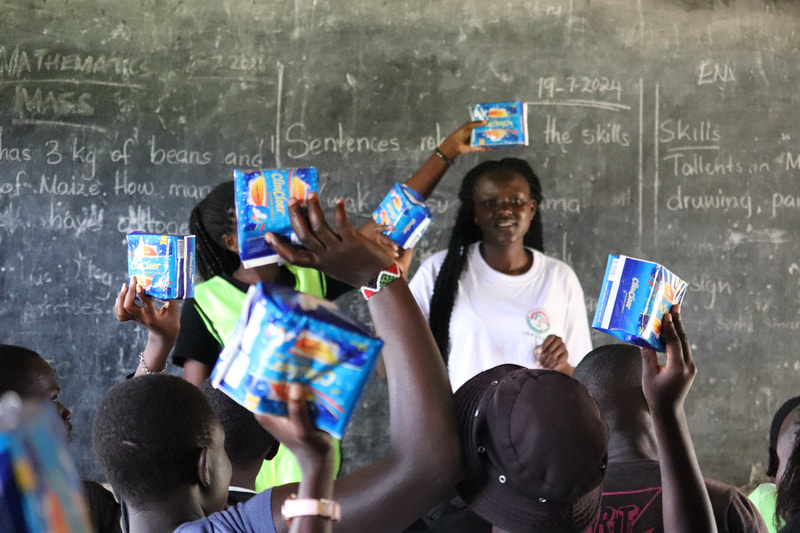
Alongside menstrual health education, we provide sanitary pads so girls can attend school with dignity and take full part in classroom and sports activities.
5,722 packets of sanitary pads distributed to girls in our partner schools.
A healthier, more informed generation that stays in school without stigma or disruption.